Introduction: Why Decolonizing Education in Africa Matters
For decades, education systems across Africa have been shaped by colonial structures and external ideologies. While progress has been made, many curricula still prioritize foreign knowledge over local realities. Decolonizing education in Africa is not just a trend—it is a necessary transformation that empowers students, strengthens identity, and ensures that learning reflects the African experience.
This movement calls for curriculum reform, the recognition of indigenous knowledge systems, and the integration of authentic African perspectives in teaching, research, and institutional culture.
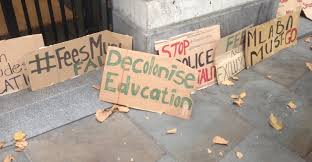
1. Understanding Decolonization in Education
Decolonizing education means more than adding African authors to a reading list. It is a complete rethinking of how knowledge is created, taught, and valued.
Key elements of decolonized learning include:
- Reclaiming African intellectual traditions
- Challenging Eurocentric viewpoints in the curriculum
- Reviewing teaching methods to reflect local contexts
- Encouraging critical thinking about power, culture, and identity
- Celebrating African languages, histories, and philosophies
The goal is to create an education system that truly serves African societies and prepares students to solve African problems.
2. Curriculum Reform: Rewriting the Educational Story
Curriculum reform is central to decolonizing education in Africa. Many universities and schools continue to rely on outdated, externally designed syllabi that overlook African contributions to science, art, mathematics, governance, and innovation.
What curriculum reform should include:
- African-centered content
Include African scholars, research, case studies, and locally relevant examples. - Context-based teaching
Lessons should reflect real-life situations in African communities, economies, and ecosystems. - Inclusive reading lists
Balance global knowledge with African literature, history, philosophy, and scientific contributions. - Language inclusion
Provide space for African languages in academic discourse, research, and cultural expression.
By reforming the curriculum, African students gain a stronger sense of identity and a deeper understanding of their place in the global world.
3. Indigenous Knowledge: Africa’s Hidden Intellectual Wealth
Indigenous knowledge—passed through generations via storytelling, practices, rituals, community structures, and environmental stewardship—holds immense value.
Why indigenous knowledge matters:
- It provides sustainable solutions to local challenges
- It preserves African cultural identity
- It strengthens community-based learning
- It complements scientific knowledge with lived experience
In areas such as agriculture, medicine, conflict resolution, and environmental management, African communities had developed highly effective systems long before colonial education arrived.
Integrating indigenous knowledge into modern education
- Incorporate community elders and cultural practitioners into lectures and seminars
- Recognize local wisdom in research methodologies
- Promote fieldwork and community-based learning
- Encourage comparative studies between indigenous and modern scientific approaches
Indigenous knowledge is not “old.” It is timeless, relevant, and essential for Africa’s future.
4. African Perspectives: Shaping the Future of Learning
African perspectives are crucial to creating an education system that reflects the continent’s ambitions and realities.
An African perspective in education includes:
- Teaching history from African viewpoints
- Highlighting African leadership, innovations, and philosophies
- Encouraging Pan-Africanism, unity, and collaboration
- Addressing issues such as colonial legacies, identity, development, and social justice
African students must see themselves as contributors to the global knowledge economy—not passive recipients.
How institutions can uplift African perspectives
- Support African-led research
- Build partnerships with local communities
- Encourage student-led discussions on identity and decolonization
- Promote African art, culture, and literature in campus spaces
Conclusion: The Path Forward
Decolonizing education in Africa is a journey of rediscovery, empowerment, and transformation. By reforming curricula, integrating indigenous knowledge, and amplifying African perspectives, universities can create more inclusive, relevant, and empowering learning environments.
This shift does not reject global knowledge—it enriches it. A strong, decolonized educational system helps students understand their identity, solve local challenges, and compete confidently on the global stage.
The future of African education depends on our willingness to rethink, reimagine, and rebuild.